
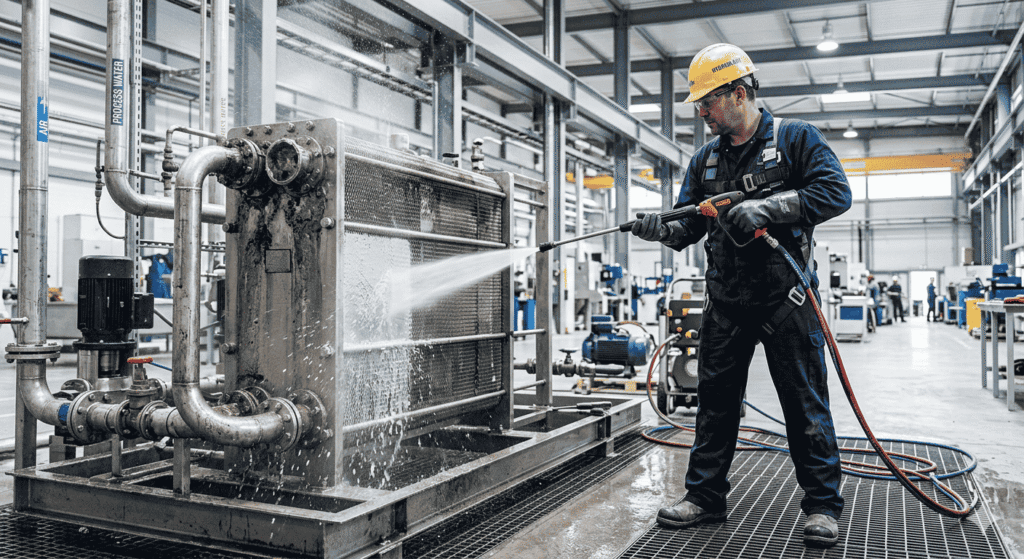
In industrial operations where fluid transfer is essential, selecting the right equipment can directly impact efficiency, safety, and long-term costs. One such critical component is the water suction hose. Whether used in agriculture, construction, mining, or wastewater management, the performance of your system depends heavily on choosing the right water suction hose.
With multiple materials, sizes, and specifications available in the market, making the right choice can feel overwhelming. This guide will help you understand what to look for and how to select the best water suction hose for your specific needs.
What is a water suction hose?
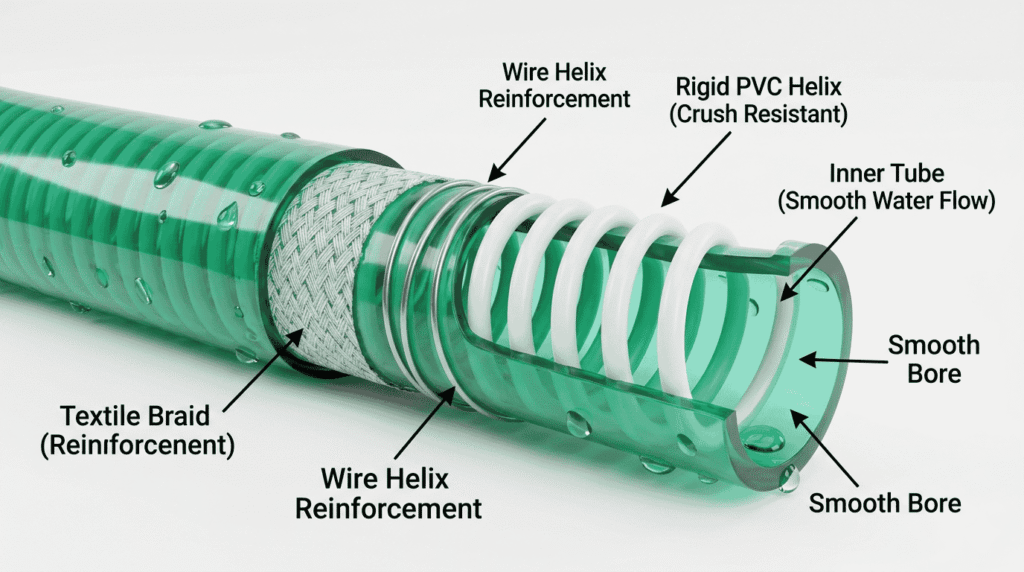
A water suction hose is a specially designed hose used to draw water from sources such as ponds, rivers, tanks, or wells. Unlike regular hoses, a water suction hose is built with reinforced walls to withstand vacuum pressure, preventing it from collapsing during suction operations.
These hoses are typically constructed using materials like PVC or rubber and are reinforced with a rigid helix or spiral structure. This reinforcement ensures that the water suction hose maintains its shape and functionality even under demanding conditions.
Why Choosing the Right Water Suction Hose Matters
Choosing the correct water suction hose is more than just a purchase decision it’s an investment in operational efficiency. A poorly chosen hose can lead to reduced performance, increased maintenance costs, and even system failures.
A high-quality water suction hose ensures consistent water flow, minimizes downtime, and improves overall productivity. Additionally, in industries where precision and reliability are crucial, the right hose helps maintain smooth operations without interruptions.
In setups where hydraulic hoses are also used, selecting compatible and high-performing hoses becomes even more important to ensure system balance and safety.
Key Factors to Consider When Selecting a Water Suction Hose
1. Material and Build Quality
The material of the water suction hose plays a major role in determining its durability and suitability for different applications.
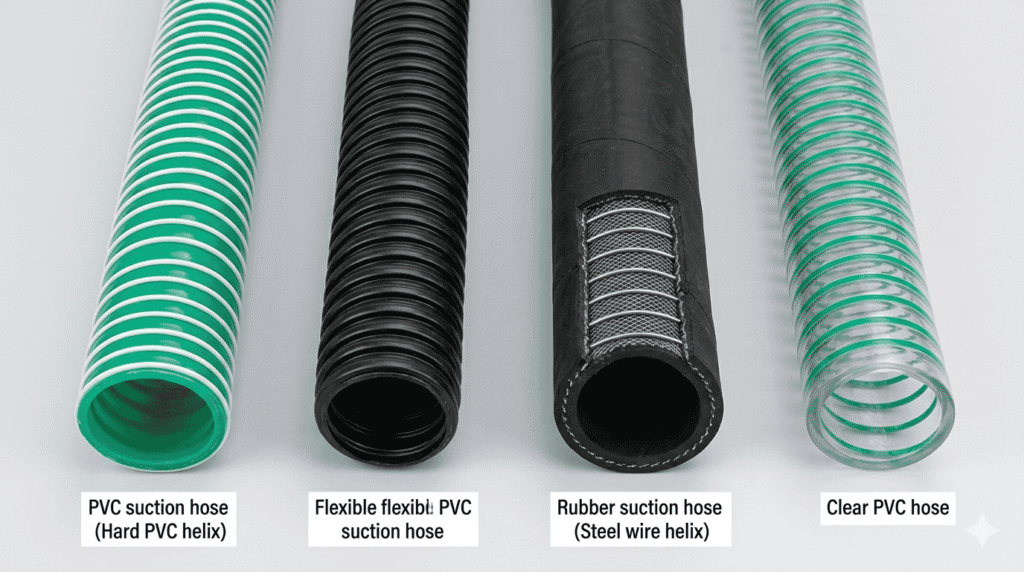
- PVC hoses are lightweight, flexible, and cost-effective, making them ideal for general-purpose applications.
- Rubber hoses are more durable, resistant to abrasion, and suitable for heavy-duty industrial use.
If your operations involve chemicals or oils, it’s important to ensure that your Water Suction Hose has the necessary resistance properties. In such cases, looking at specifications similar to hydraulic hoses can help ensure compatibility and durability.
2. Diameter and Flow Requirements
The diameter of a water suction hose directly affects the flow rate. Larger diameters allow higher volumes of water to pass through, but they may reduce suction efficiency if not matched properly with the pump.
Selecting the right diameter ensures that your water suction hose delivers optimal performance without putting unnecessary strain on your equipment.
3. Pressure and Vacuum Rating
Every water suction hose is designed to handle specific pressure and vacuum levels. It is crucial to check these ratings before making a selection.
A hose with inadequate pressure capacity may burst under stress, while one with poor vacuum resistance may collapse during suction. Ensuring that your water suction hose meets the required standards will help prevent operational failures.
Industries that frequently use hydraulic hoses should pay special attention to pressure ratings, as both types of hoses often operate within interconnected systems.
4. Flexibility and Reinforcement
Flexibility is an important factor when handling and installing a water suction hose. However, flexibility should not come at the cost of strength.
Look for hoses with:
- Spiral reinforcement
- Rigid helix structures
- Anti-kink properties
These features ensure that the water suction hose remains durable and easy to use, even in challenging conditions.
5. Environmental and Operating Conditions
The working environment plays a significant role in determining the type of water suction hose you should choose.
Consider factors such as:
- Temperature extremes
- Exposure to sunlight (UV resistance)
- Contact with abrasive materials
- Chemical exposure
A water suction hose designed for harsh environments will offer better longevity and reduce the need for frequent replacements.
6. Compatibility with Equipment
Before purchasing, ensure that the water suction hose is compatible with your pumps, connectors, and fittings. Incorrect sizing or mismatched fittings can lead to leaks and inefficiencies.
In systems where hydraulic hoses are also used, maintaining compatibility across all components is essential for seamless operation.
Common Applications of Water Suction Hoses
A water suction hose is widely used across various industries due to its versatility and efficiency.
Agriculture
Farmers rely on water suction hose systems for irrigation, drawing water from wells, canals, and reservoirs. The durability and flexibility of the hose make it ideal for field conditions.
Construction
On construction sites, a water suction hose is used for dewatering, removing excess water from excavations, and maintaining dry working conditions.
Mining
Mining operations use water suction hose systems to handle slurry, water transfer, and dust suppression.
Industrial Use
In factories and industrial plants, a water suction hose is used for fluid transfer, cleaning, and wastewater management. In such setups, hydraulic hoses often work alongside suction hoses for power and fluid control.
Maintenance Tips for Water Suction Hoses
Proper maintenance can significantly extend the life of your water suction hose and improve its performance.
- Regular Inspection: Check for cracks, leaks, or wear and tear.
- Proper Storage: Store the water suction hose in a cool, dry place away from direct sunlight.
- Avoid Over-Bending: Excessive bending can weaken the hose structure.
- Clean After Use: Removing dirt and debris prevents internal damage.
By maintaining your water suction hose, you can ensure consistent performance and avoid unexpected failures.
Common Mistakes to Avoid
When selecting a water suction hose, avoid these common mistakes:
- Choosing the wrong diameter
- Ignoring pressure and vacuum ratings
- Overlooking environmental factors
- Using incompatible fittings
- Prioritizing cost over quality
Making these mistakes can reduce the efficiency and lifespan of your water suction hose, leading to higher long-term costs.
Make the Right Flow Decision
Selecting the right water suction hose requires careful consideration of your specific needs, operating conditions, and system requirements. From material and size to pressure ratings and environmental resistance, every factor plays a role in determining performance.
A well-chosen water suction hose not only improves efficiency but also reduces maintenance costs and enhances operational reliability. When used alongside hydraulic hoses, ensuring compatibility and quality becomes even more important for overall system performance.
By taking the time to evaluate your requirements and choose the right hose, you can ensure long-term success and smooth operations in your industrial processes.