In industries where performance, pressure, and precision matter, Hydraulic Hoses and fittings play a crucial role. From construction equipment and industrial machinery to marine systems and manufacturing plants, hydraulic systems power operations that demand reliability and safety.
Setting up a Hydraulic Hoses and fittings workshop is not just about buying a few tools and starting production. It requires careful planning, the right equipment, skilled technicians, and strict adherence to safety standards. Whether you are expanding your industrial services or starting a dedicated unit, this guide will walk you through the essential machines and tools needed to build a professional and efficient workshop.
Why a Dedicated Hydraulic Hose Workshop Matters
Hydraulic systems operate under high pressure. Even a minor fault in the assembly of Hydraulic Hoses and fittings can lead to leaks, equipment downtime, or serious safety hazards. A well-equipped workshop ensures:
- Accurate hose assembly
- Safe crimping and fitting
- Proper hose protection
- Long service life
- Reduced downtime for clients
A professional setup allows you to offer customized Hydraulic Hoses and fittings based on industry requirements, pressure ratings, and environmental conditions.
Step 1: Planning the Workshop Layout
Before purchasing machines, focus on layout and workflow efficiency.
Space Allocation
Divide your workshop into:
- Raw Material Storage Area – For hydraulic hoses, fittings, adapters, and hose protection materials
- Cutting Section – Where hoses are measured and cut
- Crimping Section – For fitting attachment
- Inspection & Testing Area – For pressure testing and quality checks
- Finished Goods Storage
Ensure adequate ventilation, proper lighting, and safe movement paths for workers.
Safety Infrastructure
Since hydraulic hoses operate under high pressure, safety cannot be compromised. Install:
- Fire extinguishers
- Safety signage
- PPE stations (gloves, goggles, helmets)
- Emergency stop switches on machines
Step 2: Essential Machines for Hydraulic Hose Assembly
A professional workshop requires specialized machinery to maintain quality and precision.
1. Hydraulic Hose Cutting Machine
A hose cutting machine is the backbone of any hydraulic hose workshop. It ensures clean and precise cuts without fraying or damaging the inner layers of the hose.
Key Features to Look For:
- High-speed motor
- Reinforced cutting blade
- Dust extraction system
- Adjustable clamping
Clean cutting is essential because uneven edges can affect fitting attachment and cause leaks.
2. Hydraulic Hose Crimping Machine
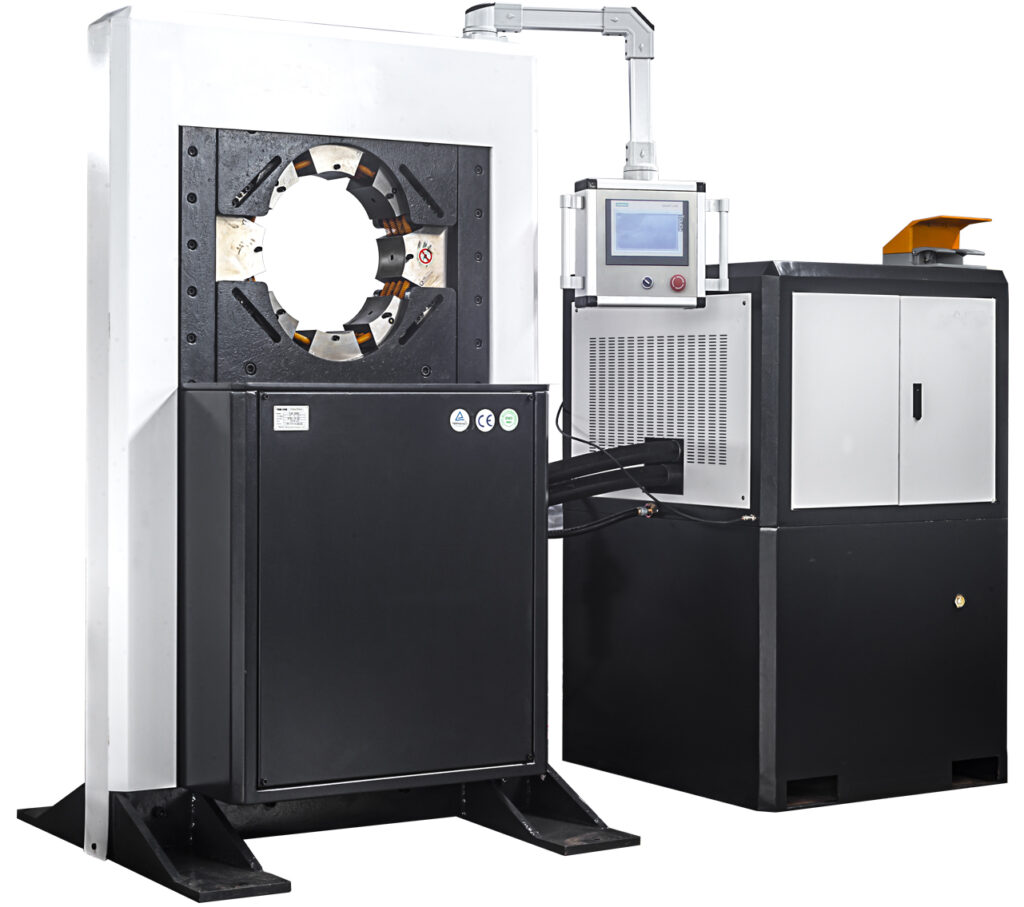
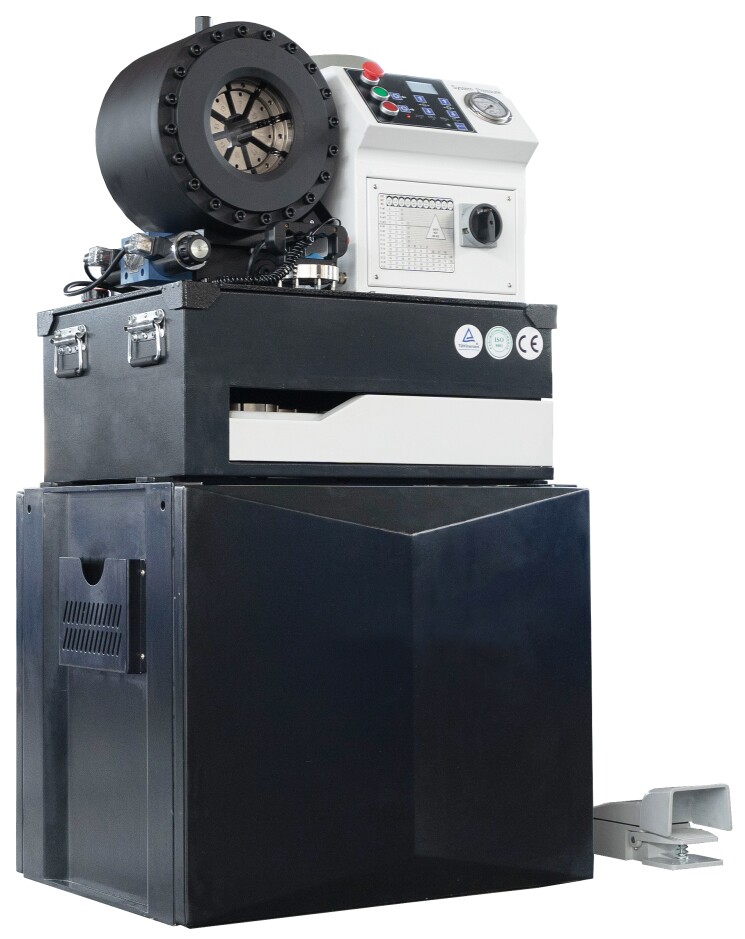
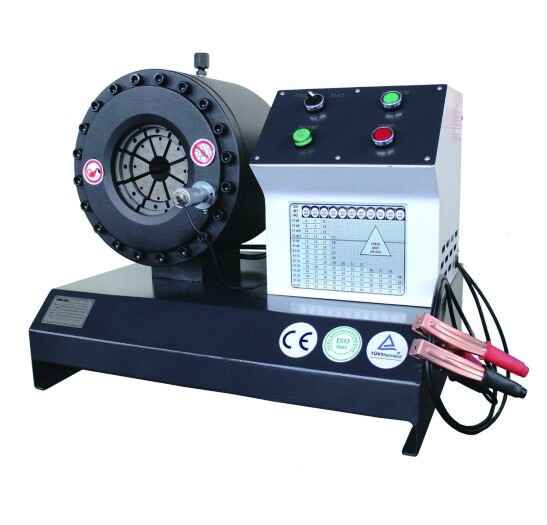
The crimping machine is the most critical piece of equipment when working with Hydraulic Hoses and fittings. It attaches fittings securely to the hose by compressing them with controlled pressure.
Types of Crimping Machines:
- Manual crimpers
- Semi-automatic crimpers
- Fully automatic CNC crimpers
Important Factors:
- Crimping capacity (hose diameter range)
- Pressure control accuracy
- Digital control panel
- Die set compatibility
Precision crimping ensures leak-free performance and long-term durability.
3. Hose Skiving Machine
Skiving removes the outer or inner rubber layer of hydraulic hoses before crimping, depending on the fitting type.
There are two types:
- Internal skiving machines
- External skiving machines
Skiving improves bonding between the hose and fitting, especially in high-pressure applications.
4. Hose Pressure Testing Machine
No workshop is complete without a pressure testing unit. This machine checks whether the assembled hydraulic hoses can withstand the required working pressure.
Why It’s Essential:
- Detects leaks
- Verifies crimp quality
- Ensures compliance with industry standards
Testing should be done before delivering hoses to clients, especially in critical industries like oil and gas, marine, and heavy construction.
5. Hose Cleaning Machine
After cutting and skiving Hydraulic Hoses and fittings, small rubber or wire particles may remain inside the hose. A cleaning machine uses air and foam projectiles to remove debris.
Clean Hydraulic Hoses and fittings prevent contamination in hydraulic systems, which can otherwise lead to equipment damage.
Step 3: Essential Tools for Hose Assembly
In addition to machines, a workshop must be equipped with professional-grade tools.
Measuring Tools
- Vernier calipers
- Tape measures
- Crimp diameter gauges
- Thread identification gauges
Accurate measurement ensures correct fitting selection and proper assembly.
Hand Tools
- Wrenches and spanners
- Torque wrenches
- Screwdrivers
- Bench vises
Torque wrenches are especially important to avoid over-tightening or under-tightening fittings.
Marking & Labeling Tools
Clear labeling helps in inventory management and client identification. Use:
- Industrial markers
- Tagging systems
- Barcode labeling (for larger operations)
Step 4: Inventory Essentials
A successful workshop must stock a wide range of hydraulic hoses and fittings.
Types of Hydraulic Hoses
- High-pressure braided hoses
- Spiral reinforced hoses
- Thermoplastic hoses
- PTFE hoses
Stock hoses of various pressure ratings and diameters to meet diverse industrial needs.
Types of Fittings
- JIC fittings
- BSP fittings
- ORFS fittings
- Flange fittings
- Quick couplers
Ensure compatibility between hydraulic hoses and fittings to avoid operational issues.
Step 5: Hose Protection Solutions
Hose protection is often overlooked but plays a critical role in extending the life of Hydraulic Hoses and fittings.
Common Hose Protection Options
- Spiral Hose Guard – Protects against abrasion
- Textile Sleeves – Shields from heat and minor impacts
- Fire Sleeves – Provides thermal resistance
- Metal Spring Guards – Prevents kinking
- PVC Coating – Enhances chemical resistance
Proper hose protection reduces wear and tear, prevents external damage, and enhances workplace safety.
Step 6: Quality Control & Documentation
To maintain professional standards:
- Maintain assembly records
- Document pressure test results
- Follow ISO and industry compliance guidelines
- Train technicians regularly
Quality control builds customer trust and reduces warranty claims.
Step 7: Skilled Workforce
Machines alone do not guarantee quality. Skilled technicians are essential.
Training should include:
- Hose identification
- Crimping standards
- Pressure testing procedures
- Safety protocols
- Troubleshooting techniques
A knowledgeable team ensures accurate assembly and professional service delivery of Hydraulic Hoses and fittings.
Step 8: Safety Practices in a Hydraulic Hose Workshop
Hydraulic systems operate under extreme pressure. A minor mistake can lead to serious accidents.
Best Practices:
- Never exceed recommended crimp diameter
- Always conduct pressure testing
- Replace worn-out dies immediately
- Maintain machines regularly
- Use proper PPE
Regular safety audits prevent hazards and improve efficiency.
Step 9: Future-Proofing Your Workshop
As industries evolve, so do hydraulic requirements. Consider upgrading to:
- Digital crimp monitoring systems
- Automated hose cutting machines
- ERP-based inventory management
- Barcode tracking for hose assemblies
Technology integration increases precision and operational efficiency.
Common Mistakes to Avoid
- Using incorrect fittings
- Skipping skiving when required
- Improper crimp calibration
- Ignoring hose protection
- Delivering without pressure testing
Avoiding these errors enhances your workshop’s reputation and reliability in handling Hydraulic Hoses and fittings.
Cost Considerations
Setting up a hydraulic hose workshop involves initial investment in:
- Cutting and crimping machines
- Testing equipment
- Toolkits
- Initial hose and fitting inventory
- Safety infrastructure
Though the investment may seem high initially, the long-term returns from industrial contracts and maintenance services can be substantial.
Ready to Build Your Hydraulic Hose Workshop?
Setting up a hydraulic hose workshop is a strategic move for businesses involved in industrial maintenance, construction, manufacturing, and heavy equipment servicing. With the right machines, professional tools, skilled manpower, and strong quality control systems, you can deliver reliable Hydraulic Hoses and fittings that meet the highest performance standards.
From precise cutting and crimping to thorough pressure testing and effective hose protection, every step matters. A well-planned workshop not only ensures safety and durability but also builds long-term trust with clients.
When done right, a hydraulic hose workshop is not just a service unit, it becomes a backbone support system for industries that rely on uninterrupted power, performance, and pressure control.