
In any hydraulic system, performance depends on reliability. And reliability depends heavily on one overlooked component, the hose.
Hydraulic hoses carry high-pressure fluid that powers critical machinery. When a hose fails, operations stop. Production delays begin. Repair costs increase. Safety risks rise.
Yet most hose failures are not due to manufacturing defects.
They happen because of improper routing and poor Hose Protection.
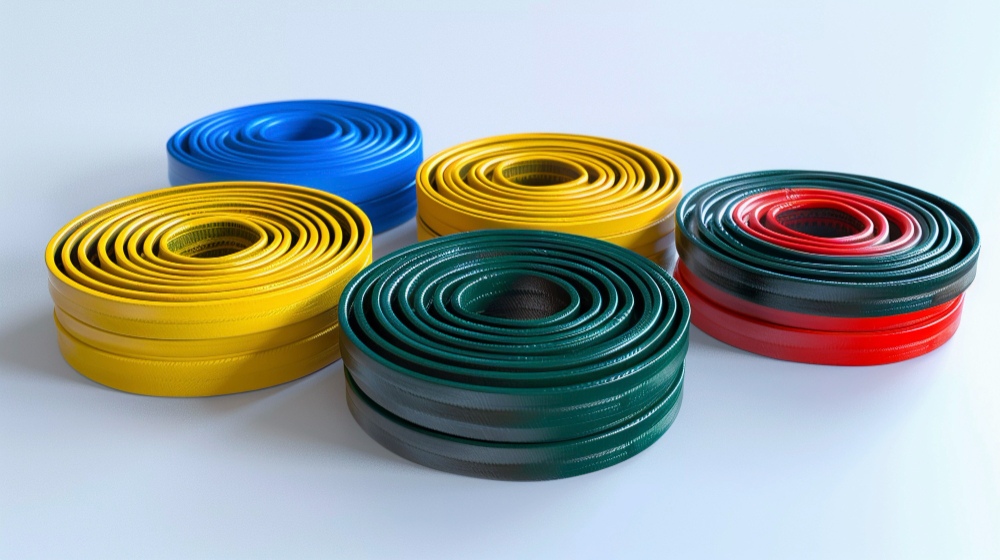
If you want to extend the life of your hydraulic hoses, reduce downtime, and improve operational efficiency, the solution lies in understanding how routing and protection work together.
Let’s explore this in a structured, practical way.
Understanding the Role of Hydraulic Hoses in Industrial Systems
Hydraulic hoses are flexible conduits designed to transmit fluid under pressure between components like pumps, valves, and actuators.
Unlike rigid piping, hoses:
- Handle vibration
- Absorb movement
- Compensate for alignment shifts
- Operate in dynamic environments
Because they are flexible, they are also vulnerable.
Without proper Hose Protection, external forces gradually weaken them until failure occurs.
Extending hose life begins with understanding the stresses they face daily.
The Three Major Threats to Hose Life
Every hydraulic hose faces three core threats:
- Mechanical Stress
- Bending beyond recommended limits
- Twisting during installation
- Vibration without support
- Environmental Exposure
- Heat
- UV rays
- Chemicals
- Dust and debris
- Operational Pressure
- Constant high pressure
- Sudden pressure spikes
- Pulsation fatigue
Proper Hose Protection addresses all three.
Smart Routing – The First Line of Defense
Before adding sleeves or guards, routing must be correct.
Poor routing reduces hose life regardless of protective coverings.
Maintain Correct Bend Radius
Each hose has a manufacturer-defined minimum bend radius. Ignoring this creates internal stress that weakens reinforcement layers.
Best practices:
- Avoid sharp corners
- Use elbow fittings when needed
- Allow gradual curves instead of tight bends
Correct routing reduces internal fatigue significantly.
Prevent Twisting During Installation
A twisted hose may look normal externally, but internally it experiences uneven stress distribution.
To prevent twisting:
- Keep the layline straight
- Avoid rotating the hose body while tightening fittings
- Check alignment after installation
Twist-free installation is a foundational part of Hose Protection.
Provide Adequate Slack for Movement
Hydraulic hoses expand and contract under pressure.
If installed too tight:
- Stress concentrates near fittings
- Crimp areas weaken
- Early failure occurs
Routing must allow controlled flexibility, not tension.
Hose Protection Against Abrasion
Abrasion is the leading cause of hose failure in industrial systems.
When hydraulic hoses rub against equipment frames, brackets, or other hoses, the outer cover wears down. Once the reinforcement layer is exposed, failure becomes only a matter of time.
Solutions for Abrasion-Based Hose Protection
Effective protective solutions include:
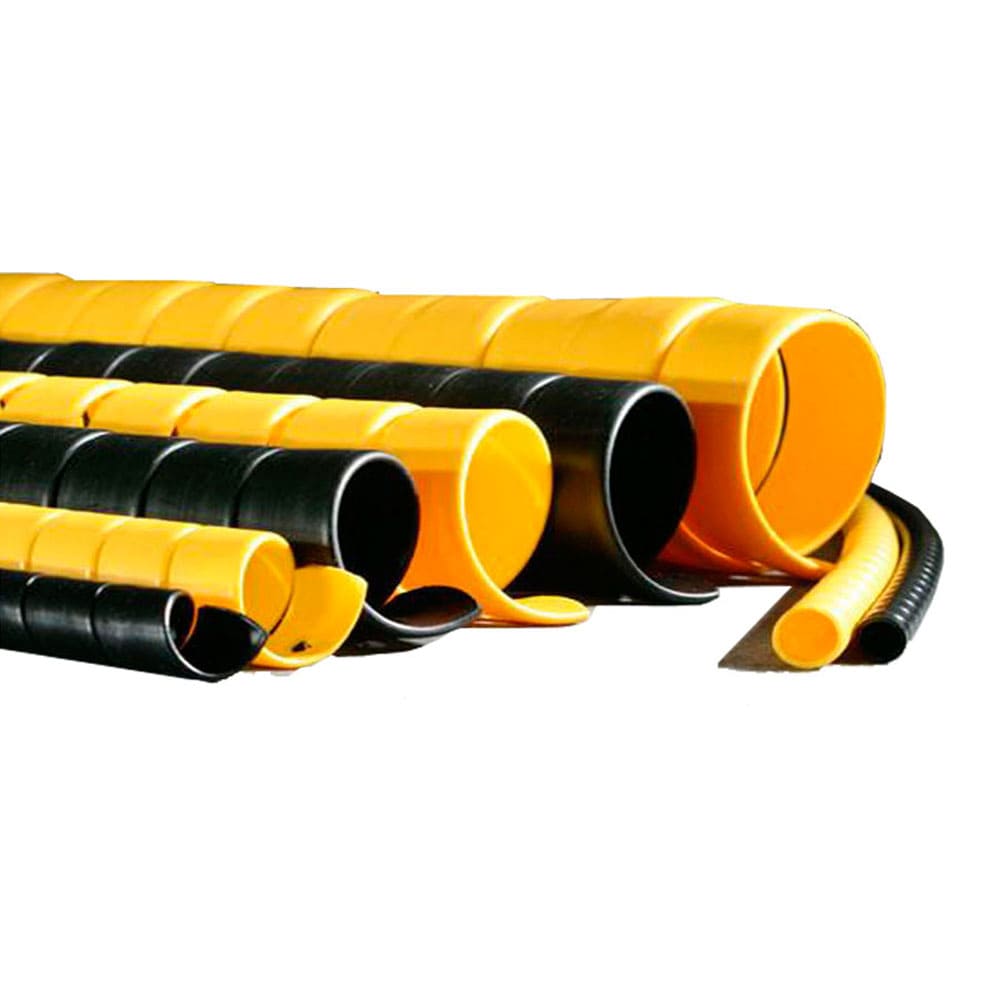
- Spiral wraps
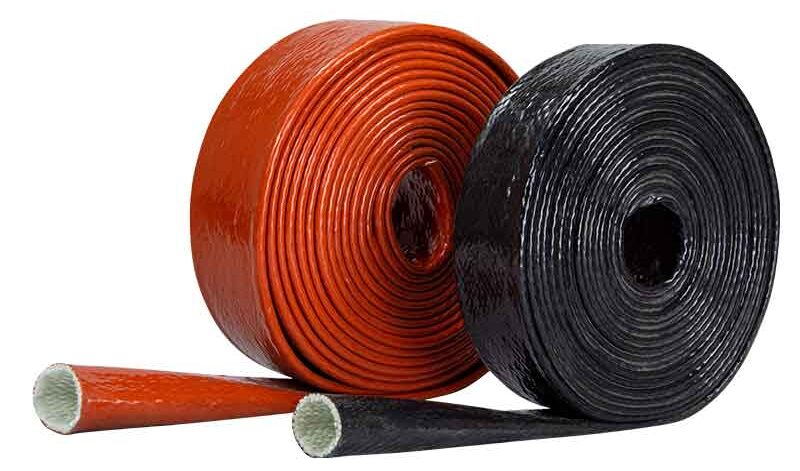
- Textile sleeves
- Heavy-duty abrasion guards
- Polyethylene protectors
- These solutions absorb friction instead of the hose surface.
Industries like construction, mining, and heavy transport particularly benefit from abrasion-focused Hose Protection.
Experienced hydraulic hose and pipe suppliers often recommend abrasion-resistant upgrades for mobile equipment applications.
Thermal Protection – Managing Heat Exposure
Heat accelerates hose aging faster than most operators realize.
Continuous exposure to high temperatures can cause:
- Hardening of rubber compounds
- Surface cracking
- Reduced flexibility
- Lower pressure tolerance
Heat Control Strategies
To protect hoses in high-temperature environments:
- Install heat-resistant sleeves
- Use aluminum-coated fiberglass shields
- Re-route hoses away from exhaust or engines
- Maintain airflow around hot components
Thermal Hose Protection is essential in industries such as manufacturing, marine operations, and oil & gas.
Vibration and Support Management
Unsupported hoses experience constant vibration.
Over time, vibration causes:
- Metal fatigue in fittings
- Loosening connections
- Accelerated surface wear
Proper clamping ensures hoses remain stable while still allowing necessary movement.
Best Practices for Clamping
- Use purpose-designed clamps
- Avoid overtightening
- Space clamps appropriately
- Prevent hose-to-hose contact
Support reduces mechanical stress and extends service life.
Pressure Control and Hose Selection
Even perfect routing and external Hose Protection cannot compensate for incorrect hose selection.
Always ensure:
- The hose pressure rating exceeds system operating pressure
- Surge pressure tolerance is considered
- Replacement hoses match original specifications
Using under-rated hoses leads to internal reinforcement fatigue and sudden failure.
Reliable hydraulic hose and pipe suppliers play a critical role here. They help select hoses based on:
- Operating pressure
- Temperature range
- Fluid compatibility
- Environmental exposure
Correct selection directly impacts hose longevity.
Environmental Protection Strategies
Different operating environments demand different protection strategies.
For example:
- Marine environments require salt-resistant covers
- Outdoor construction requires UV-resistant materials
- Chemical plants require fluid-compatible compounds
- Mining requires impact and abrasion resistance
Hose Protection must align with environmental conditions to be effective.
Preventive Maintenance for Extended Hose Life
Even with proper routing and protection, routine inspection is essential.
A proactive maintenance schedule should include:
- Visual inspection for cracks
- Checking for bulges or blisters
- Inspecting fitting integrity
- Monitoring pressure irregularities
- Identifying early signs of abrasion
- Replacing a hose before catastrophic failure is far less expensive than emergency downtime.
Why Partnering with the Right Suppliers Matters
Many businesses treat hoses as simple consumables.
But the difference between average and expert hydraulic hose and pipe suppliers is significant.
Professional suppliers offer:
- Technical consultation
- Custom hose assemblies
- Proper crimping standards
- Quality certifications
- Installation guidance
This partnership ensures Hose Protection is built into the system from the beginning, not added as an afterthought.
Business Impact: The ROI of Proper Hose Protection
Investing in proper routing and Hose Protection leads to measurable benefits:
- Fewer breakdowns
- Reduced replacement frequency
- Lower maintenance labor costs
- Improved safety compliance
- Longer equipment life
- Better operational continuity
In high-demand industries, even reducing hose failure incidents by 20–30% can translate into substantial annual savings.
Protection is preventive profitability.
Implementation Checklist for Extending Hose Life
To summarize, here is a practical implementation framework:
- Evaluate current hose routing
- Confirm bend radius compliance
- Eliminate twisting during installation
- Install abrasion protection where contact occurs
- Add heat shielding near high-temperature zones
- Ensure proper clamping and support
- Verify pressure rating suitability
- Schedule routine inspections
- Work closely with experienced hydraulic hose and pipe suppliers
Systematic execution ensures long-term durability.
Advanced Strategies for Long-Term Hose Performance
If your operation depends heavily on hydraulic systems, basic Hose Protection may not be enough. Forward-thinking companies adopt advanced performance strategies to maximize hose lifespan even further.
One powerful approach is data-driven monitoring. By tracking pressure fluctuations, temperature exposure, and usage cycles, maintenance teams can predict wear patterns before visible damage occurs. This shifts maintenance from reactive to predictive.
Another overlooked strategy is standardizing hose assemblies across equipment. When hydraulic hoses are standardized in size, rating, and fittings, replacement becomes faster and installation errors decrease. This consistency reduces downtime and ensures uniform Hose Protection practices.
Training technicians also plays a major role. Even the highest-quality products from reliable hydraulic hose and pipe suppliers can fail if installed incorrectly. Regular training on routing techniques, bend radius compliance, and clamping standards significantly improves long-term durability.
Finally, always document failure patterns. If hoses repeatedly fail in the same location, it signals a routing or environmental issue not a product defect.
Long hose life is never accidental.
It’s engineered through protection, precision, and planning.
Hydraulic hose failure is rarely random.
It is usually the result of accumulated stress, mechanical, environmental, or operational.
Proper Hose Protection and strategic routing eliminate most of these risks before they escalate.
When you combine:
- Smart routing
- Abrasion prevention
- Heat management
- Pressure control
- Expert supplier partnership
You transform hoses from weak links into reliable system components.
Extend hose life.
Reduce downtime.
Protect your investment.
Because in hydraulic systems, protection is performance.