

Hydraulic systems are the driving force behind countless industrial, mobile, and manufacturing operations. At the core of these systems are hydraulic hoses which are the essential components responsible for transferring high-pressure fluid between pumps, valves, cylinders, motors, and other critical machinery.
Despite their rugged construction, hydraulic hoses are vulnerable to wear, damage, and failure if not maintained properly. A single failing hose can halt operations, cause costly downtime, and even pose serious safety risks.
This guide provides practical, real-world tips to extend the service life of your hydraulic hoses, reduce operational interruptions, and ensure safety. Whether you’re a maintenance professional, plant manager, or equipment operator, these insights will help you get the most out of your hydraulic system investments.
Why Hydraulic Hose Maintenance Matters
Hydraulic hoses operate in high-stress environments with constant pressure, extreme temperatures, vibration, and movement. Over time, hoses can:
- Develop leaks
- Suffer abrasion or cuts
- Experience weakening of internal reinforcements
- Crack due to environmental exposure
Failing hoses not only disrupt operations but also pose safety risks, including fluid injection injuries, environmental contamination, and damage to other components.
Proper maintenance prevents these issues through inspection, correct installation, monitoring, and timely replacement.
Best 10 Practical Tips to Keep Your Hydraulic Hoses Running Smoothly
1. Understand the Anatomy of Hydraulic Hoses
A hydraulic hose is more than just a flexible tube — it’s a carefully engineered assembly with three main components:
- Inner Tube: Carries the hydraulic fluid; must be compatible with the fluid type.
- Reinforcement Layers: Steel wire or textile braids that handle pressure.
- Outer Cover: Protects against abrasion, chemicals, heat, and environmental factors.
Damage to any one layer can compromise the entire hose. Understanding hose construction helps identify early warning signs of potential failure.
2. Choose the Right Hose for the Job
Maintenance begins before installation with proper hose selection. Using the correct hose prevents premature failure and reduces downtime.
- Ensure fluid compatibility (petroleum-based, synthetic, or fire-resistant fluids).
- Confirm the pressure rating, including system spikes.
- Match the hose to the operating temperature range.
- Check hose size to avoid twisting, kinking, or excessive bending.
Partnering with trusted hydraulic hose suppliers ensures hoses meet SAE or ISO standards and are appropriate for your specific application.
3. Regular Inspection Is Key
Scheduled inspections form the backbone of an effective maintenance program. How often you inspect depends on operational intensity, daily in high-use environments, weekly or monthly in lighter-use settings.
Inspection Checklist:
- External Abrasion: Scrapes, cuts, or worn spots on the outer cover.
- Kinks or Bends: Permanent deformation indicates stress or improper routing.
- Cracks or Hardening: Signs of aging, ozone exposure, or chemical attack.
- Bulges or Blisters: Indicate weakening of internal reinforcement and potential imminent failure.
- Loose or Damaged Fittings: Misaligned, corroded, or cracked couplings.
- Fluid Leaks: Even minor seepage signals hose or fitting issues.
Pro tip: Track inspection findings over time to identify recurring problems and plan proactive replacements.
4. Proper Installation and Routing
Even the best hose will fail prematurely if installed incorrectly. Proper routing and installation significantly improve hose longevity.
Best Practices:
- Avoid tight bends; always respect the manufacturer’s minimum bend radius.
- Use clamps and supports to prevent hoses from rubbing against surfaces or each other.
- Minimize twisting; twisted hoses experience uneven stress.
- Keep hoses away from heat sources such as motors, exhaust pipes, or hot surfaces.
- Allow hoses to move with machinery without stretching or pulling.
Always use the correct tools and torque settings to secure fittings without causing leaks or damage.
5. Cleanliness Extends Hose Life
Hydraulic systems are extremely sensitive to contamination, which can damage hoses, pumps, valves, and seals.
Cleanliness Tips:
- Work in clean areas and use clean tools during hose assembly.
- Cap hose ends when hoses are disconnected.
- Use filtration systems to trap particles.
- Keep fluid reservoirs sealed and free from debris.
A clean hydraulic system protects hoses and reduces the risk of costly component failures.
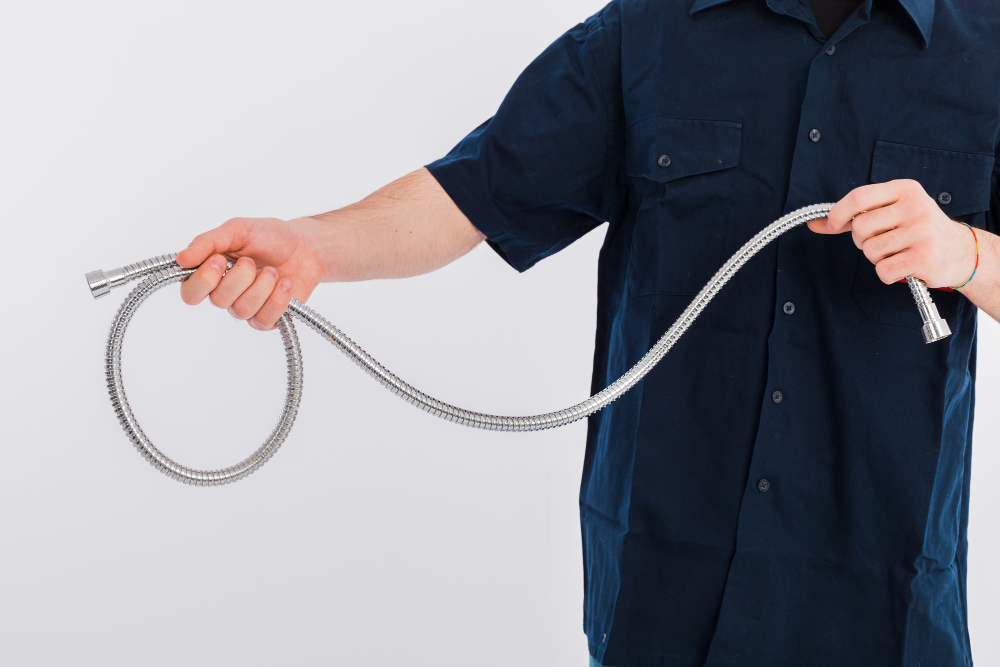
6. Monitor System Operating Conditions
Visual inspection alone isn’t enough. Monitoring pressure, temperature, and fluid condition ensures hoses remain within safe operating parameters.
- Pressure Fluctuations: Avoid spikes that exceed hose ratings.
- Temperature Trends: Excess heat accelerates hose aging.
- Fluid Condition: Dirty or degraded fluid stresses hoses and system components.
For critical applications, electronic sensors and monitoring tools provide real-time alerts, helping you catch issues before they cause downtime.
7. Implement a Replacement Strategy
Even with excellent maintenance, hoses have a finite life.
Replacement Guidelines:
- Replace hoses at the first sign of internal damage or severe external wear.
- Consider scheduled replacements based on service hours, machine cycles, or criticality.
- Keep commonly used hoses and fittings in stock to minimize operational interruptions.
Using genuine parts from trusted hydraulic hose suppliers and quality assemblies built with modern hydraulic hose machines ensures reliability and long-term performance.
8. Storage and Handling Matter
Improper storage can degrade hoses before they’re ever installed.
Best Practices:
- Store hoses in a cool, dry, dark place away from sunlight.
- Avoid hanging hoses from sharp hooks.
- Keep hoses off the floor to prevent moisture absorption.
- Protect hose ends with caps until installation.
Proper storage ensures hoses are ready for service and perform as expected.
9. Train Your Team
Even the best maintenance plan fails without trained personnel. Empower your team with the right knowledge.
Training Tips:
- Teach operators to perform basic visual inspections.
- Train maintenance staff on proper routing, installation, and handling.
- Encourage prompt reporting of leaks, wear, or unusual symptoms.
- Provide reference charts for hose life expectancy based on pressure, temperature, and usage.
A well-trained team prevents oversight, reduces failures, and promotes proactive maintenance.
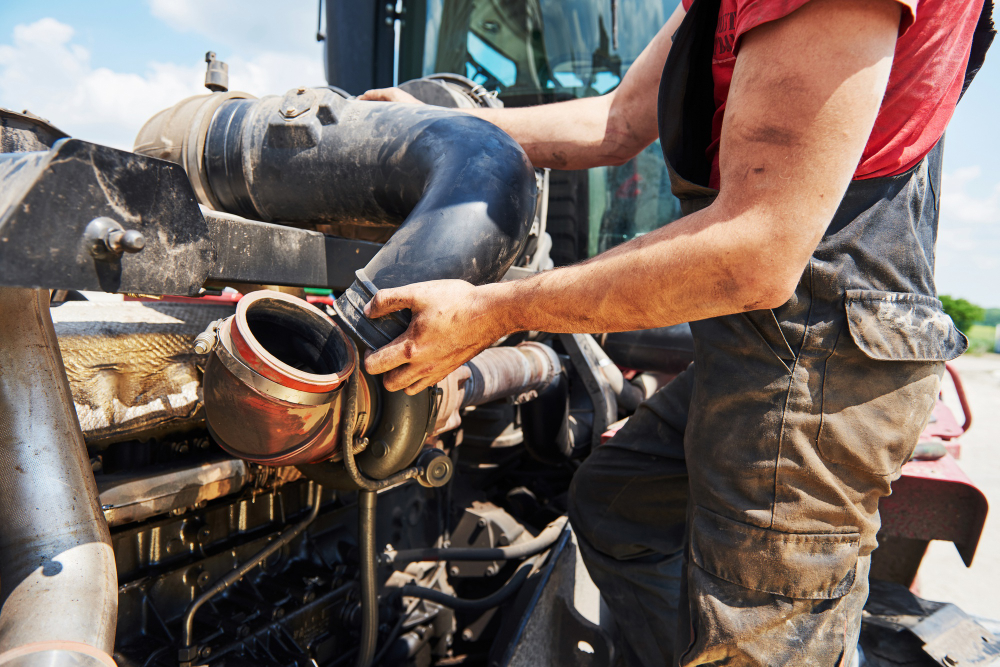
10. Work With Reliable Suppliers and Equipment
Hose quality and assembly precision directly impact system performance.
Supplier Considerations:
- Ensure hoses meet industry standards (SAE/ISO).
- Select materials suited to your operating environment.
- Choose suppliers that provide warranties and technical support.
Role of Hydraulic Hose Machines:
- Cut hoses accurately with clean, angled ends.
- Crimp fittings consistently and with proper force.
- Include verification features to ensure secure connections.
Well-assembled hoses reduce failures caused by poor crimps or mismatched components.
Mastering Hydraulic Hose Longevity
In hydraulics, a single failing hose can stop an entire operation, but most downtime is preventable.
By understanding hose construction, selecting high-quality hoses from trusted suppliers, installing them correctly using modern hydraulic hose machines, and committing to inspection, monitoring, and replacement, you can:
- Extend hose life
- Improve operational safety
- Reduce unplanned downtime
- Maximize ROI on equipment
Maintenance is more than a checklist; it’s a strategy. Treat hydraulic hoses as critical assets, train your team to spot early warning signs, and embrace proactive replacements before failures occur.
The result? A safe, reliable, and efficient hydraulic system that performs day in and day out.