
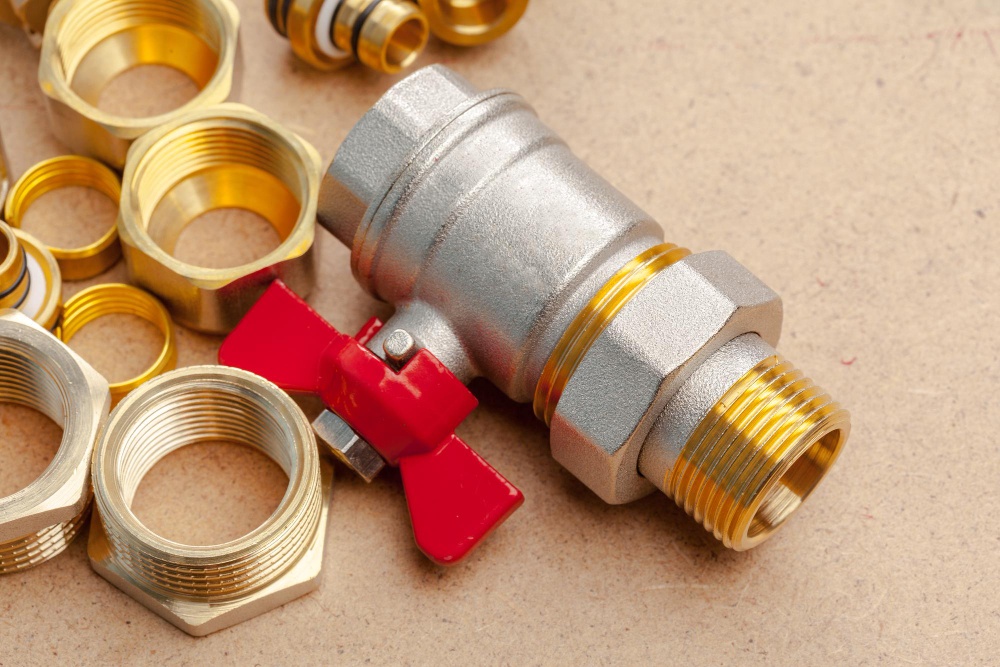
Hydraulic systems are built to handle power, serious power. But even the strongest hydraulic pump or cylinder is useless without the right connections holding everything together. That’s where Hydraulic Fittings and Adapters quietly do the heavy lifting.
They may be small in size, but these components decide whether a system runs smoothly or fails under pressure. From preventing leaks to ensuring consistent fluid flow, the right fittings keep hydraulic systems reliable, safe, and efficient.
This blog explains what hydraulic fittings and adapters are, their types, where they’re used, and how to choose the right ones, all in a simple, easy-to-understand way.
What Are Hydraulic Fittings and Adapters?
Hydraulic Fittings and Adapters are mechanical connectors used to join hydraulic hoses, pipes, and tubes within a hydraulic system.
Hydraulic fittings connect hoses or tubes to components like pumps, valves, and cylinders.
Hydraulic adapters help connect components with different thread types, sizes, or configurations.
Together, they ensure hydraulic fluid flows under high pressure without leaks or performance loss.
Why Hydraulic Fittings Are Critical to System Performance
Hydraulic systems operate under extreme pressure. Even a minor connection failure can cause:
- Fluid leakage
- Pressure drops
- Equipment breakdown
- Safety risks
- Costly downtime
That’s why high-quality hydraulic hoses and fittings are non-negotiable in any professional setup.
In short, fittings aren’t accessories, they’re system protectors.
Major Types of Hydraulic Fittings and Adapters
Understanding the types helps you select the right connection for your application.
- JIC (37° Flare) Hydraulic Fittings
These fittings use a 37-degree flare to create a metal-to-metal seal.
Key features:
- Strong sealing capability
- High-pressure resistance
- Easy to assemble and disassemble
Commonly used in:
Construction equipment, agricultural machinery, and mobile hydraulics.
- 2. BSP Hydraulic Fittings
British Standard Pipe (BSP) fittings are widely used in Asia and Europe.
Types include:
BSPP (parallel thread)
BSPT (tapered thread)
Why they’re popular:
- Reliable sealing
- Easy availability
- Widely standardized
- ORFS (O-Ring Face Seal) Fittings
These fittings seal using an O-ring placed on the flat face of the fitting.
Advantages:
- Excellent leak prevention
- Ideal for high-pressure and vibration-prone systems
- Longer service life
Best suited for:
Industrial hydraulic systems where safety and cleanliness matter.
- NPT Hydraulic Fittings
NPT fittings use tapered threads to seal.
Important note:
They rely on thread deformation, which makes them less reliable for high-pressure systems compared to modern sealing methods.
Used mainly in:
Low-pressure or legacy hydraulic setups.
- Compression Hydraulic Fittings
These fittings seal by compressing a ferrule around the tube.
Benefits:
- Simple installation
- No welding required
- Compact design
Ideal for:
Instrumentation and medium-pressure hydraulic lines.
Hydraulic Adapters: The System Connectors
Hydraulic adapters allow flexibility in system design. They help connect:
- Different thread standards
- Different sizes
- Male to female ends
- Straight, elbow, tee, or cross configurations
Instead of replacing entire hose assemblies, adapters offer an efficient and cost-saving solution.
Materials Used in Hydraulic Fittings and Adapters
Material selection directly affects durability and safety.
Carbon Steel
High strength
Cost-effective
Widely used in industrial hydraulics
Stainless Steel
Superior corrosion resistance
Handles harsh environments
Suitable for chemical and marine industries
Brass
Corrosion-resistant
Used for low-pressure applications
Choosing the right material prevents premature wear and system failure.
Industries That Depend on Hydraulic Fittings
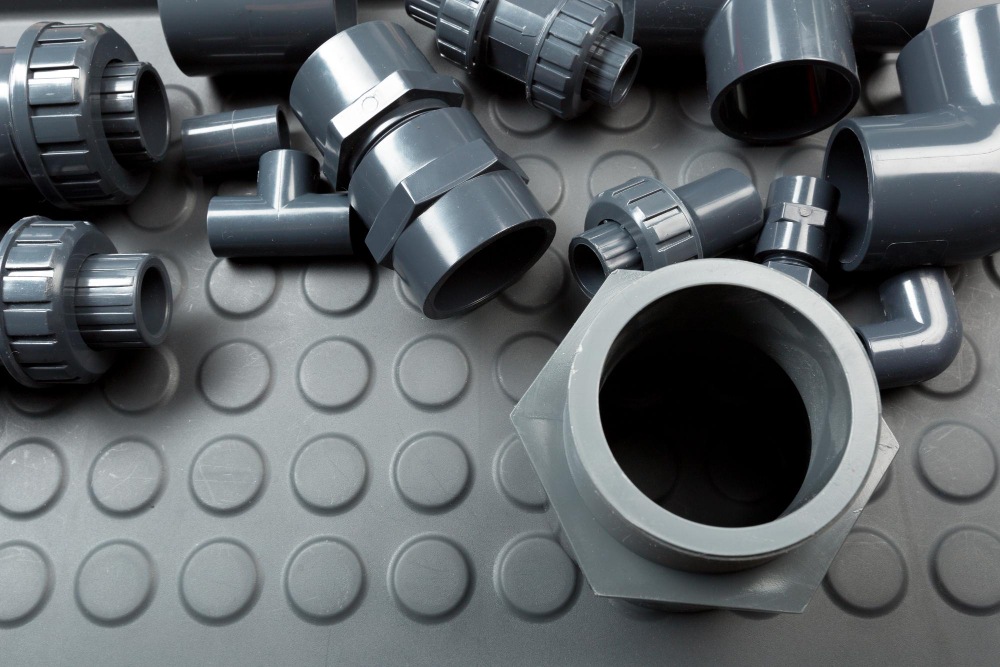
Hydraulic Fittings and Adapters are essential across many sectors:
- Construction and earthmoving
- Agriculture and farming equipment
- Manufacturing and automation
- Oil and gas operations
- Material handling and logistics
- Automotive and heavy vehicles
In all these industries, reliable hydraulic hoses and fittings ensure uninterrupted power transmission.
How to Choose the Right Hydraulic Fittings and Adapters
Selecting fittings isn’t guesswork, it’s a technical decision.
- Understand Pressure Requirements
Always choose fittings rated higher than your system’s maximum pressure. This ensures safety and long-term reliability.
- Match Thread Standards Correctly
Never mix thread types. Identify whether your system uses:
JIC
BSP
NPT
Metric
ORFS
Thread mismatch is one of the biggest causes of hydraulic leaks.
- Check Hose and Tube Compatibility
Ensure fittings match the hose diameter, wall thickness, and connection type. Mismatched sizes lead to weak connections.
- Consider Environmental Conditions
Exposure to heat, moisture, chemicals, or outdoor conditions demands corrosion-resistant materials and protective coatings.
- Source from Trusted Hydraulic Hose and Fittings Suppliers
Reliable hydraulic hose and fittings suppliers offer:
- Certified products
- Accurate pressure ratings
- Technical guidance
- Consistent quality
Cheap fittings may look economical but often cost more in repairs and downtime
Common Installation Mistakes to Avoid
Avoid these frequent errors to protect your system:
- Over-tightening fittings
- Reusing damaged connectors
- Ignoring torque specifications
- Using sealants incorrectly
- Forcing mismatched threads
Correct installation is just as important as selecting the right fitting.
Maintenance Tips for Hydraulic Fittings
Regular maintenance extends the life of hydraulic hoses and fittings.
- Inspect fittings for leaks and corrosion
- Replace worn seals and O-rings promptly
- Keep fittings clean during installation
- Avoid unnecessary bending or stress
- Schedule periodic system checks
Preventive maintenance saves time, money, and equipment life.
Why Supplier Quality Makes a Difference
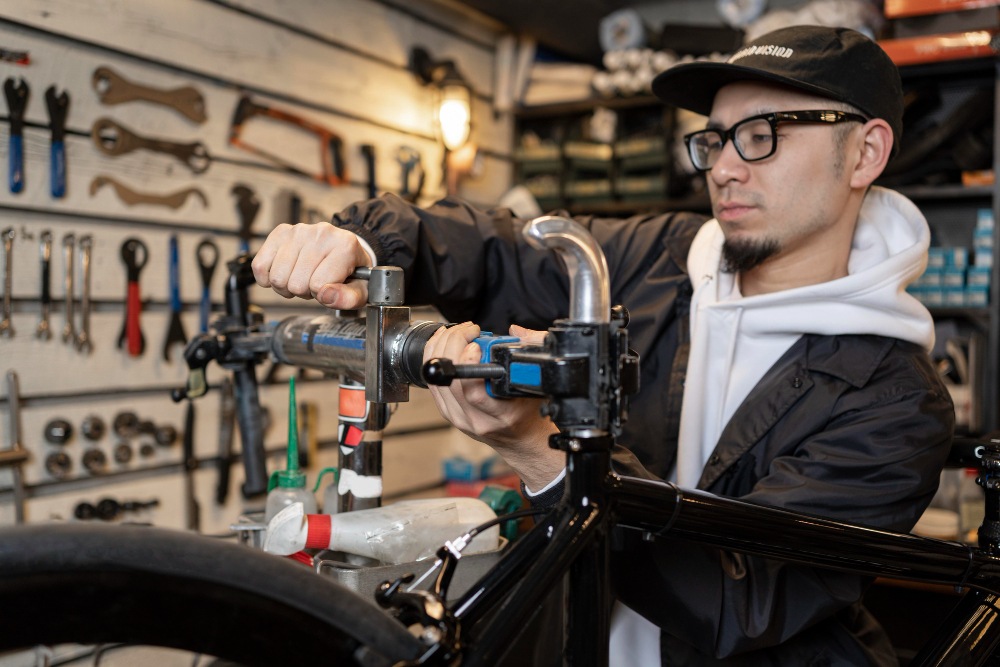
The quality of fittings directly reflects the quality of the supplier. Professional hydraulic hose and fittings suppliers don’t just sell products, they offer solutions.
They help with:
- Proper selection
- System compatibility
- Long-term reliability
- Compliance with industry standards
A trusted supplier is a long-term asset.
Emerging Trends in Hydraulic Fittings
Modern hydraulic systems are evolving rapidly. Current trends include:
- Leak-free quick-connect fittings
- Compact high-pressure designs
- Improved corrosion-resistant coatings
- Smart fittings with monitoring capabilities
Staying updated ensures your system remains future-ready.
Hydraulic Fittings and Adapters are the backbone of any hydraulic system. They connect, seal, and protect the flow of power that keeps industries moving.
By understanding fitting types, materials, applications, and selection methods, and by choosing reliable hydraulic hose and fittings suppliers, you can build systems that are safer, stronger, and more efficient.
In hydraulics, strong connections aren’t optional, they’re essential.